Shooting from the boat
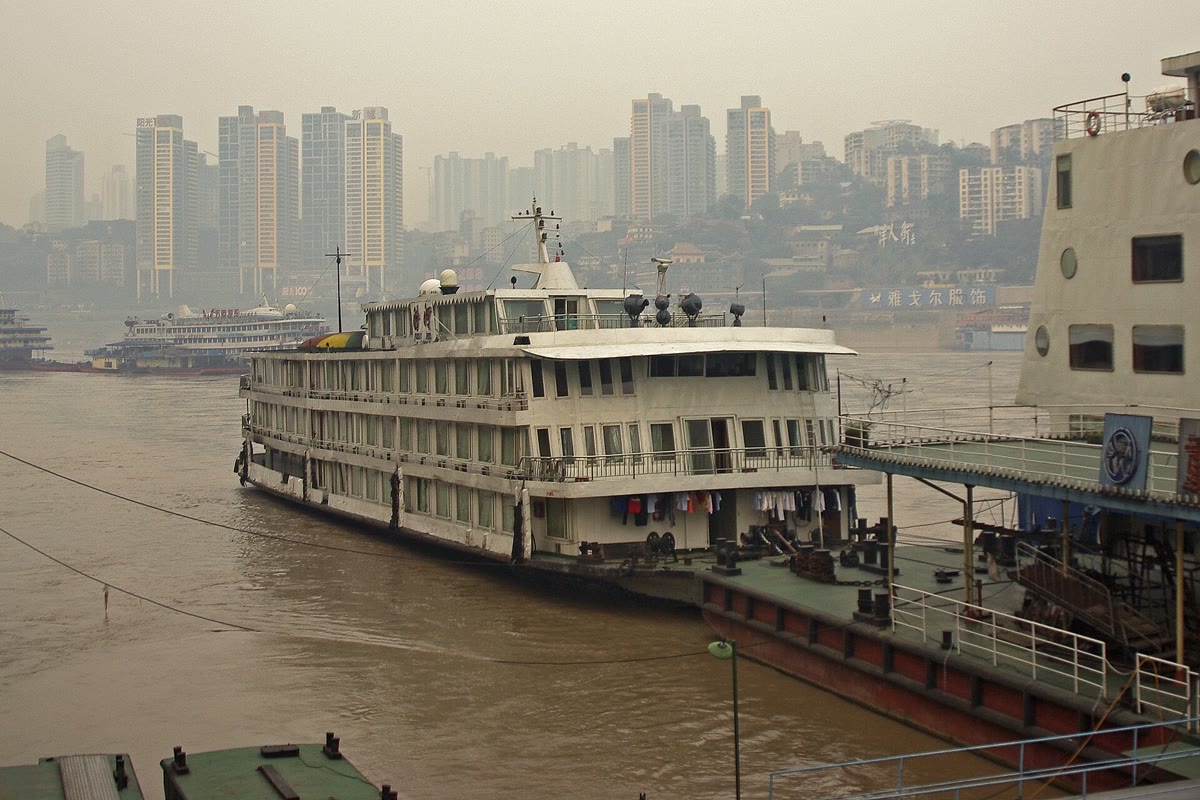
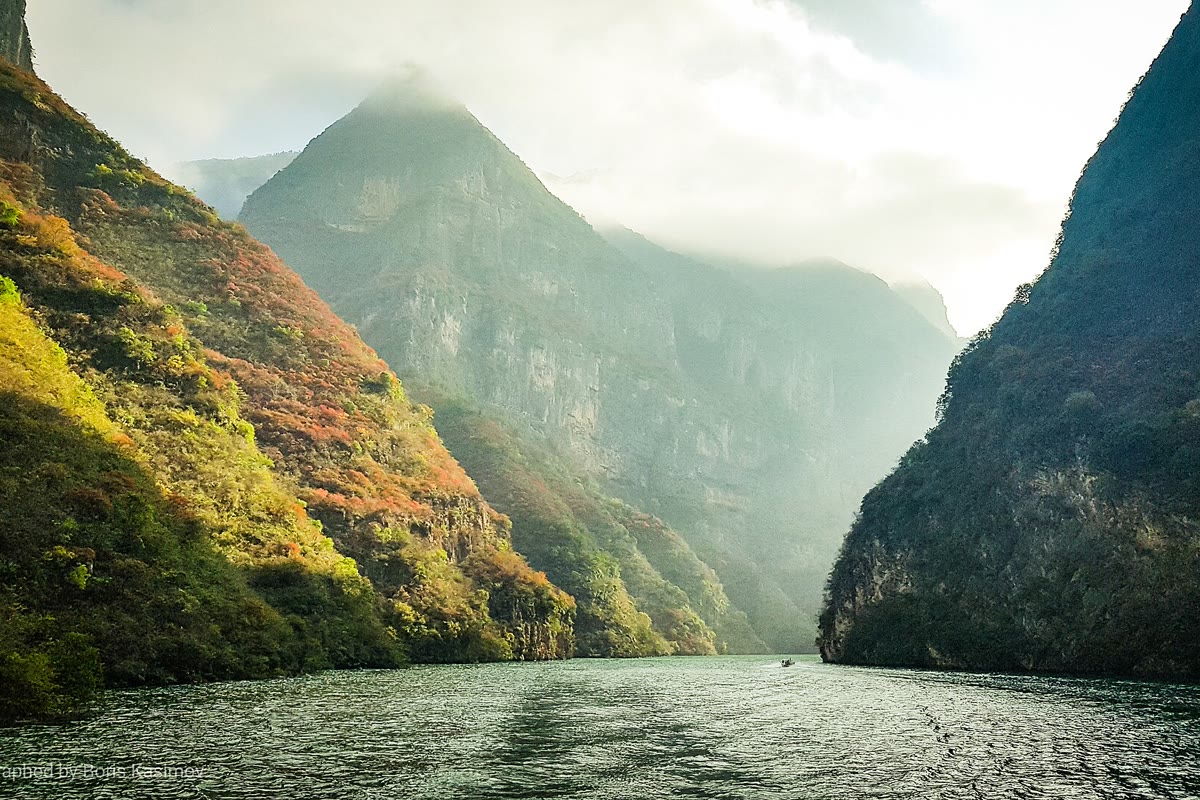
- Bow and stern: the widest views, good for panoramas and reflections — but also the most movement; brace against a railing or handrail.
- The sides: best for the facades on the opposite bank and the bridges, giving a more complete horizontal composition.
- Deck edge: closer to the water for fuller reflections; mind your footing and the people behind you.
The core difficulty is that the boat is moving. Responses: raise the shutter speed, increase ISO moderately, turn on stabilisation; and press the shutter on steadier straight stretches when shooting static buildings.
Shooting from the shore
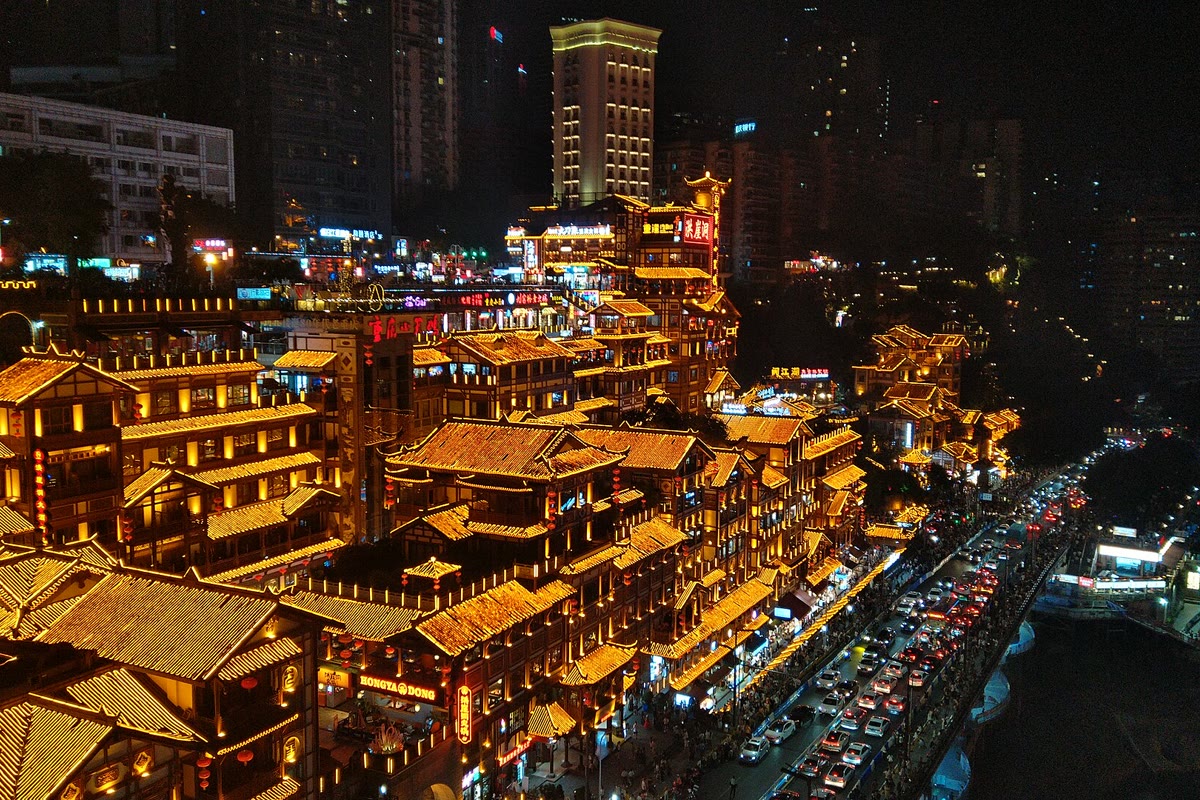
- High vantage points: the clearest way to shoot the confluence and the bridge lines; wide-angle suits this.
- Riverside eye level: for reflections and water texture; a medium focal length works well.
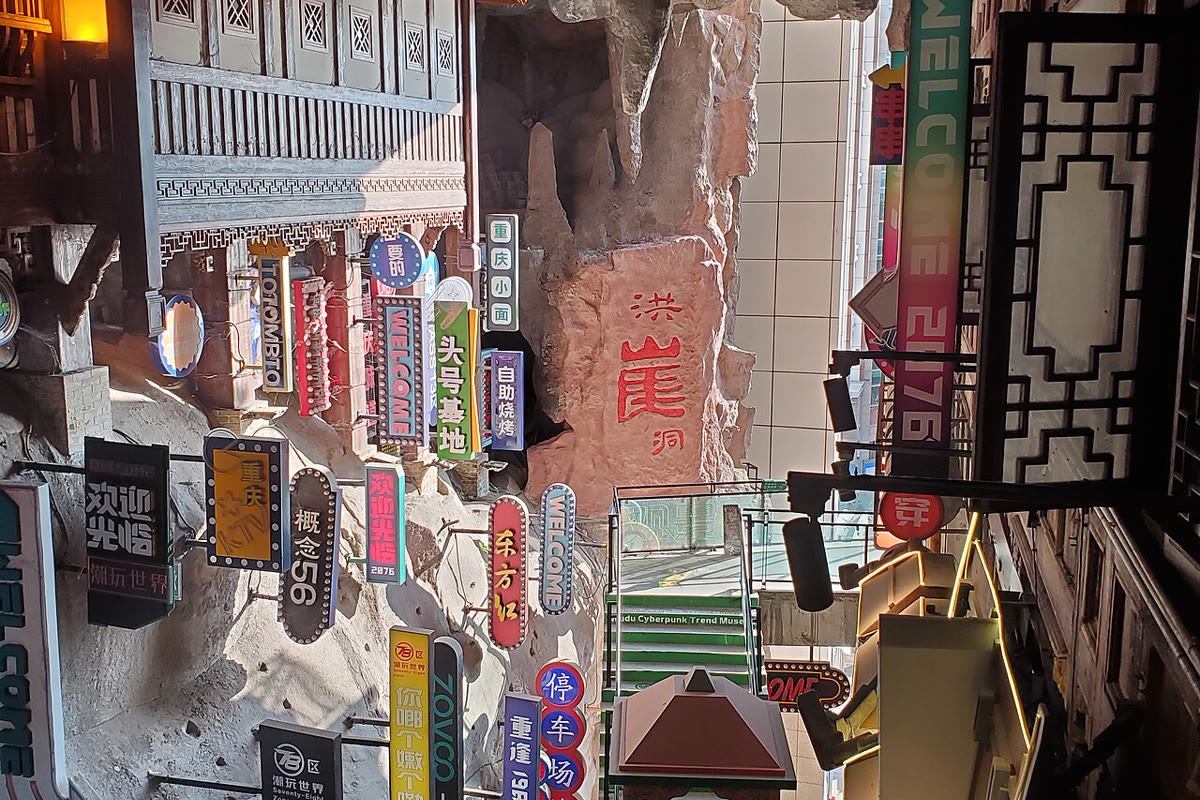
- Close-up looking up: for the layered stilted-house complex; a vertical composition has more impact.
Settings thinking (phone users too)
- Lock the exposure and hold back the highlights (the lights) so they do not blow out to white.
- Do not force a long handheld night exposure; steady the phone against something fixed or simply raise the shutter speed.
- For reflections, lower the camera — getting close to the water clearly improves the shot.
- Do not push brightness too far: night scenes live in the shadows, and lifting everything turns them grey and flat.
Pitfall list
- Glass reflections on board: bring the lens close to the glass and shade the side with your hand.
- People blocking the view: claim a spot early, or move to a high vantage point above the crowd.
- Dirty lens: river spray fogs lenses easily — carry a soft cloth and wipe often.
- Battery: cold plus long shooting drains faster than you expect; bring a power bank.